A Masterclass in Omnichannel Strategy and Cultural Relevance
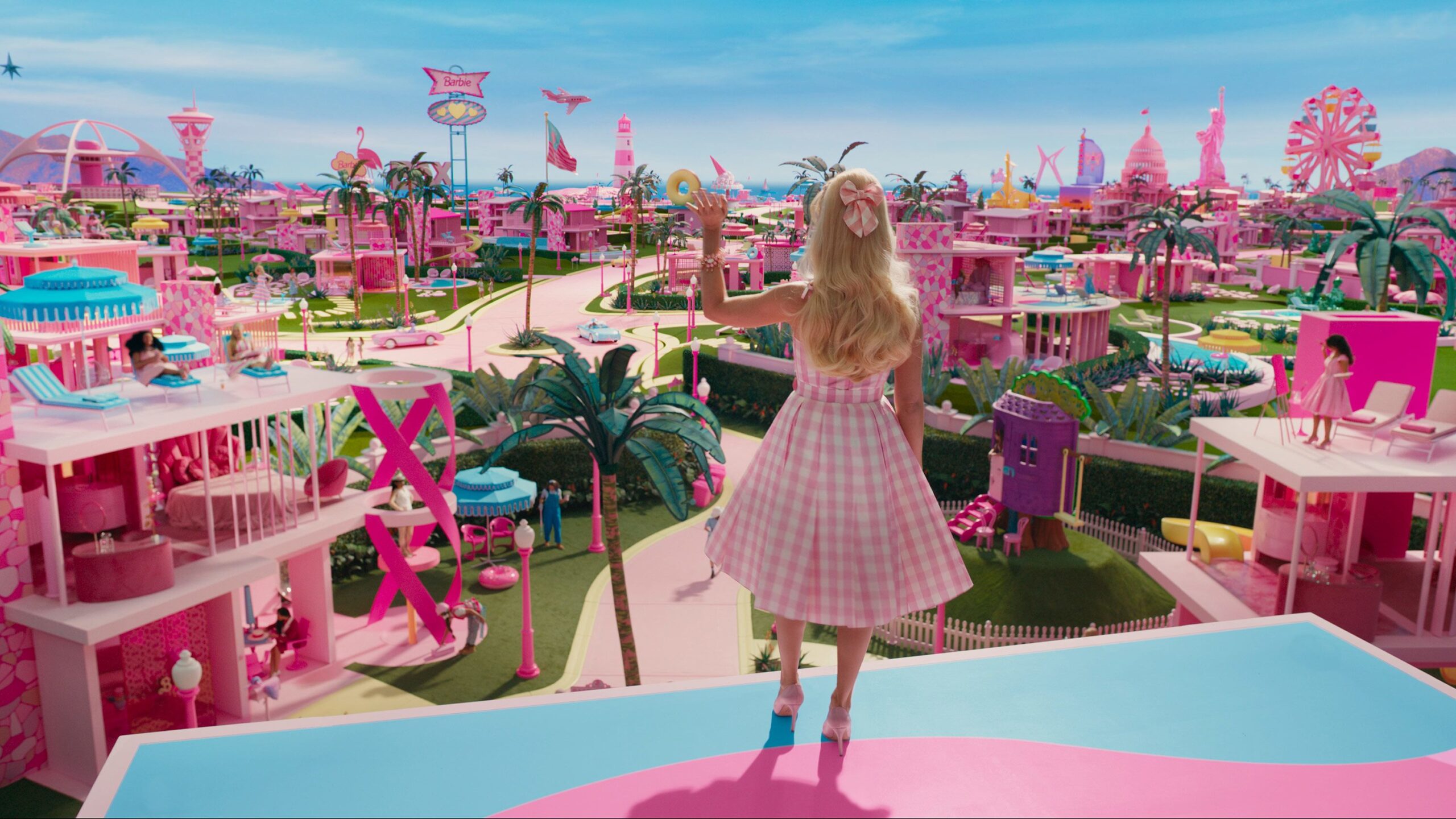
The Barbie movie marketing campaign was everywhere. And more importantly, it was aligned.
From billboards to memes, fashion collabs to pop-up dream houses, the rollout was precise, strategic, and brilliantly orchestrated.
The campaign is a modern blueprint for how to launch a brand moment that doesn’t just get attention, but shapes culture.
Clear Positioning from the Start
The Barbie brand has carried decades of both baggage and brilliance. What made this campaign effective was its willingness to lean into both. Warner Bros. and Mattel didn’t try to sanitize the legacy or overly explain it. They embraced the complexity and created something fresh.
The tone was clever, self-aware, and aspirational. The film’s tagline, “If you love Barbie, this movie is for you. If you hate Barbie, this movie is for you,” instantly framed the experience as culturally inclusive. It disarmed criticism while building curiosity.
That level of clarity positioned the film as a conversation starter, not just a movie release.
Omnipresence with a Purpose
Everywhere you looked, Barbie was there.
The marketing strategy went beyond traditional media buys and became an experience ecosystem.
- Billboards with no copy, just pink
- Collabs with Crocs, Airbnb, Xbox, and Forever 21
- Pop-ups in major cities that looked like dream houses
- Social content that invited user participation, memes, and trend-jacking
- Teaser visuals and trailers that kept the tone playful and enigmatic
Each piece contributed to a larger narrative. Every touchpoint was part of the same world.
This marketing campaign was truly world building in its approach.
Community-Driven and Fan-Activated
The Barbie rollout gave the internet something to play with.
People weren’t just watching, but they were invited to join in. Whether it was the Barbie Selfie Generator or DIY pink outfits flooding TikTok, the campaign made fans feel like part of the launch.
And it paid off.
Memes became momentum. The color pink became a signal. Entire theaters were filled with coordinated outfits and social energy, all before the opening credits rolled.
That’s what happens when a brand doesn’t just speak to its audience but invites them into the story.
Data, Demand, and Long-Term Impact
Beyond the creative, the Barbie campaign was also a machine.
Merch sales surged. Search traffic for Barbie-related products spiked. Retailers built full activations around the release. Box office numbers reflected not just interest, but cultural saturation.
But what stands out most is how the campaign built long-term equity for the brand. Barbie was repositioned from toy nostalgia to lifestyle movement. It became a statement.
For Warner Bros., Mattel, and every brand involved, the campaign created lasting audience relationships that outlasted the media cycle.
What We Took Away
As a team of strategists and creatives, this campaign inspired more than admiration. It challenged us. Here’s what we’ve brought into our own work:
- Build with intention. Don’t just launch a product. Build an experience around it.
- Let design do the talking. Sometimes a bold color or visual signal says more than copy ever could.
- Coordinate every touchpoint. A true omnichannel strategy doesn’t mean showing up everywhere. It means showing up with purpose everywhere you choose to be.
- Give people something to share. Great marketing becomes better when your audience becomes the messenger.
Final Thought